CS2 Teams That Switched VRS Regions: A Full Breakdown of BC.Game, Liquid, Wildcard, and Sashi
Region-switching in CS2’s Valve Regional Standings has become a real strategy for teams looking to secure a spot at major events. Several organizations have now made the move, and the trend shows no signs of slowing down heading into 2026.
Sashi Is Not the First
Sashi’s recent region switch grabbed headlines, but the Danish organization is far from the first team to pull off this kind of move. Multiple squads have used the VRS system’s flexibility to reposition themselves in regions where competition might offer a clearer path to qualification.
The pattern started gaining attention back in 2024 and has since turned into an accepted part of how teams approach their competitive calendars.
DRILLAS Set the Early Example
DRILLAS were among the early movers in 2024, showing other organizations that switching VRS regions was not just possible but could be a viable competitive strategy. Their move helped put the idea on the radar for other teams watching the standings closely.
Once one team demonstrated it could be done without major penalties or setbacks, others began looking at their own situations with fresh eyes.
Liquid, Wildcard, and BC.Game Followed
Team Liquid, Wildcard, and BC.Game all made VRS region switches of their own. Each team had its own reasons and timing, but the end goal was similar — finding a region where their points total would be more competitive and where qualification routes made more strategic sense.
These are not small organizations making desperate moves. The fact that established names like Liquid made the switch signals that region management has become a legitimate part of team-building in the CS2 ecosystem.
Asia Became the Target for 2026
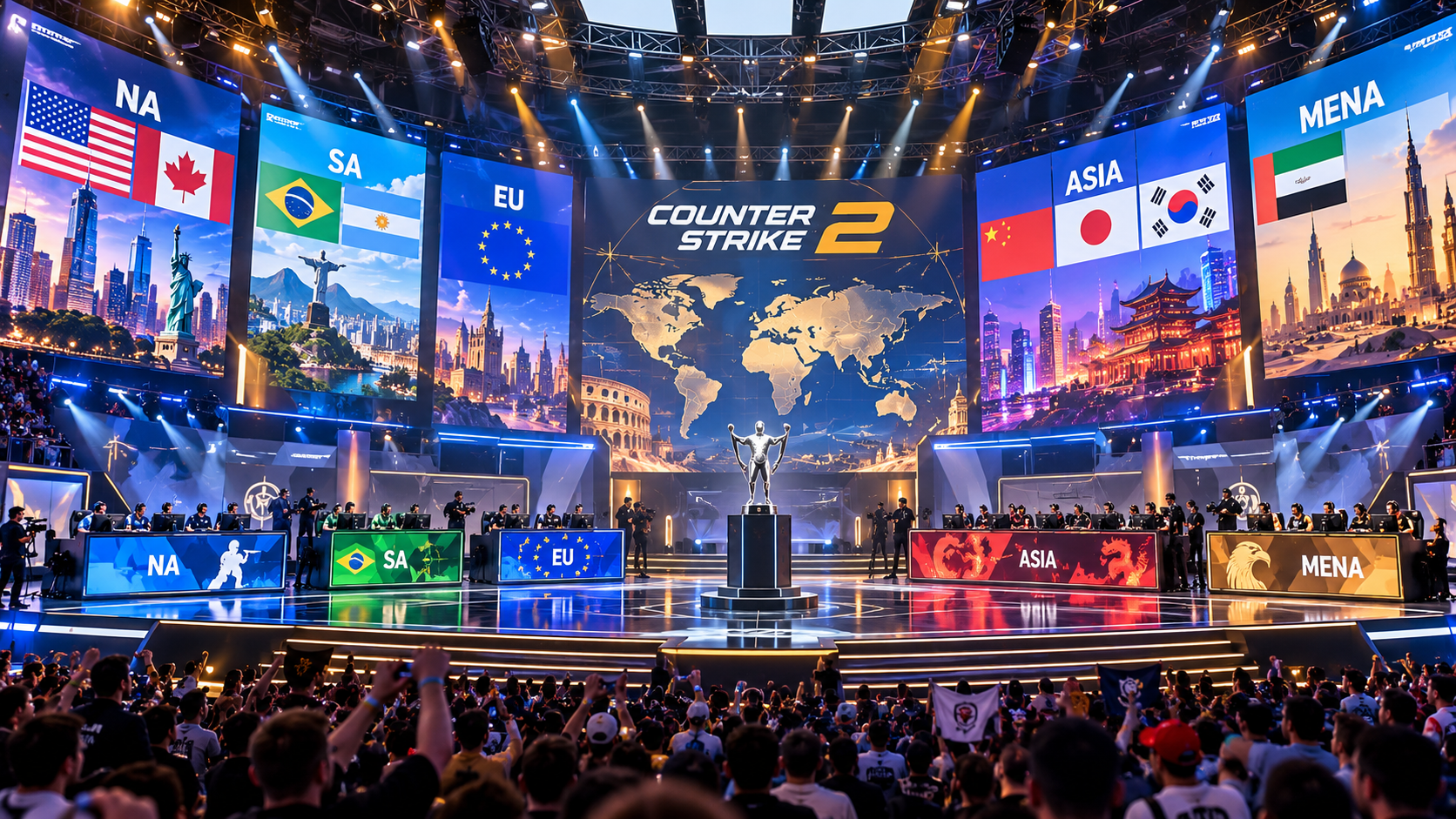
One detail that stands out across several of these switches is the attraction of the Asian VRS region heading into 2026. The points available and the competitive structure in Asia appear to offer an appealing route for teams that may find Europe or the Americas more congested at the top.
With the 2026 season on the horizon, more teams could be evaluating their regional standings and asking whether a switch makes sense for their roster.
A Growing Trend Worth Watching
What started as a rare move is now something the CS2 community tracks actively. The VRS system was designed to rank teams globally, but the regional split creates natural incentives for organizations to optimize their placement.
Whether Valve adjusts the rules in response to this trend remains to be seen. For now, teams like BC.Game, Liquid, Wildcard, and Sashi have all found value in thinking beyond their home regions.
Source: TalkEsport