Brazil’s Betting Ban Is Shaking Up CS2 — Here’s What We Know So Far
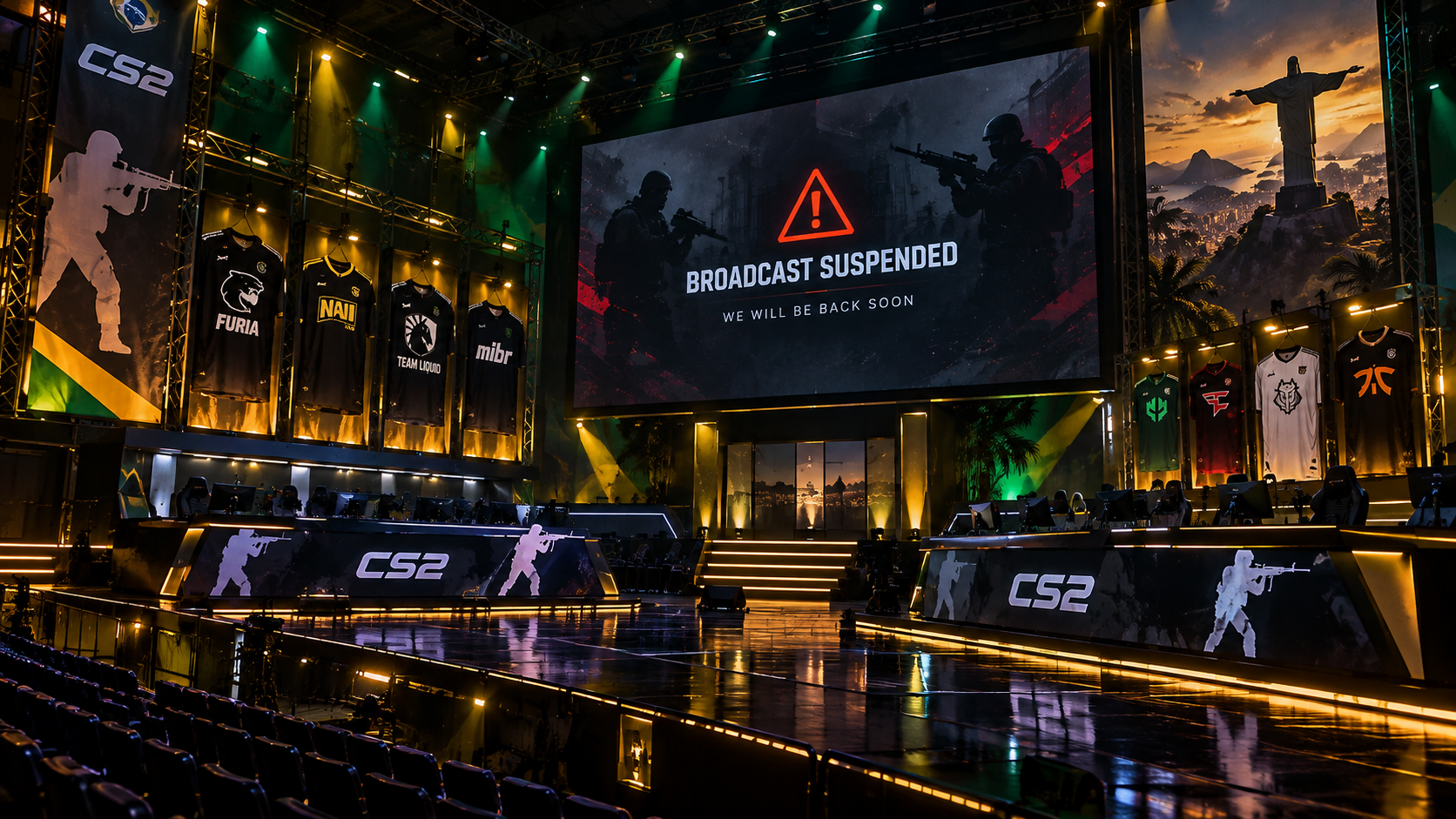
Brazil’s new betting ban officially took effect on September 25, and the ripple effects are already hitting Counter-Strike 2 harder than any other esport. From team suspensions to broadcast rights complications, the CS2 scene in Brazil is facing a period of serious uncertainty.
Keyd Stars Puts CS2 Team on Pause
One of the most immediate casualties is Keyd Stars, a well-known Brazilian esports organization that has now paused its CS2 team. The move signals just how quickly the ban is forcing organizations to rethink their operations and sponsorship models.
Betting companies have long been a major source of funding for esports teams in Brazil. With that revenue stream now restricted, organizations that relied on these partnerships are left scrambling to find alternative support.
BetBoom Caught in a Tricky Spot
The situation gets even more complicated when you look at BetBoom’s position in the Brazilian market. The company currently holds the Brazilian broadcast rights for three of the biggest names in CS2 tournament organization — BLAST, PGL, and ESL.
The problem? BetBoom is now barred from advertising its services directly to Brazilian audiences. This creates an awkward arrangement where the company owns the rights to some of the most-watched CS2 content in the country but cannot legally promote itself to the very viewers tuning in.
CS2 Takes the Biggest Hit
While other esports titles will feel the effects of Brazil’s betting ban, Counter-Strike 2 appears to be taking the hardest blow. The game has a massive and passionate fanbase in Brazil, and the local competitive scene has historically benefited from strong financial backing tied to the betting industry.
The combination of a paused top-tier team and a major broadcaster facing advertising restrictions means Brazilian CS2 fans could see noticeable changes in how the scene looks and functions in the months ahead.
What Comes Next?
It remains unclear how organizations and broadcast partners will adapt to the new regulations. Teams may need to seek non-betting sponsors, which could take time and may not fully replace the lost revenue.
For BetBoom, the path forward with its BLAST, PGL, and ESL broadcast deals is also uncertain. Whether the company renegotiates, transfers rights, or finds a workaround that complies with local law is still an open question.
Brazil’s esports industry as a whole will be watching closely. The country is one of the largest gaming markets in the world, and how stakeholders respond to this ban could set a precedent for other regions facing similar regulatory pressure in the future.
Source: TalkEsport